September 4, 2026
What to Keep in Mind for Trekking in Spring in Patagonia?
Spring trekking in Patagonia: climate, snow, trail conditions, equipment, and the benefits of exploring the mountains with a local guide.
Spring: a great time for trekking in the south
Spring is one of the most interesting times to explore Patagonia. Days begin to lengthen, snow can still remain in the highest areas, and landscapes start to transform after winter.
But trekking in spring has its own particularities. Trail conditions can be very different from those in summer and change rapidly depending on the location, altitude, and time of season.
If you're thinking about trekking during September, October, or November, here are some aspects worth considering and why having local knowledge can make the difference.
⪢ A transitional season
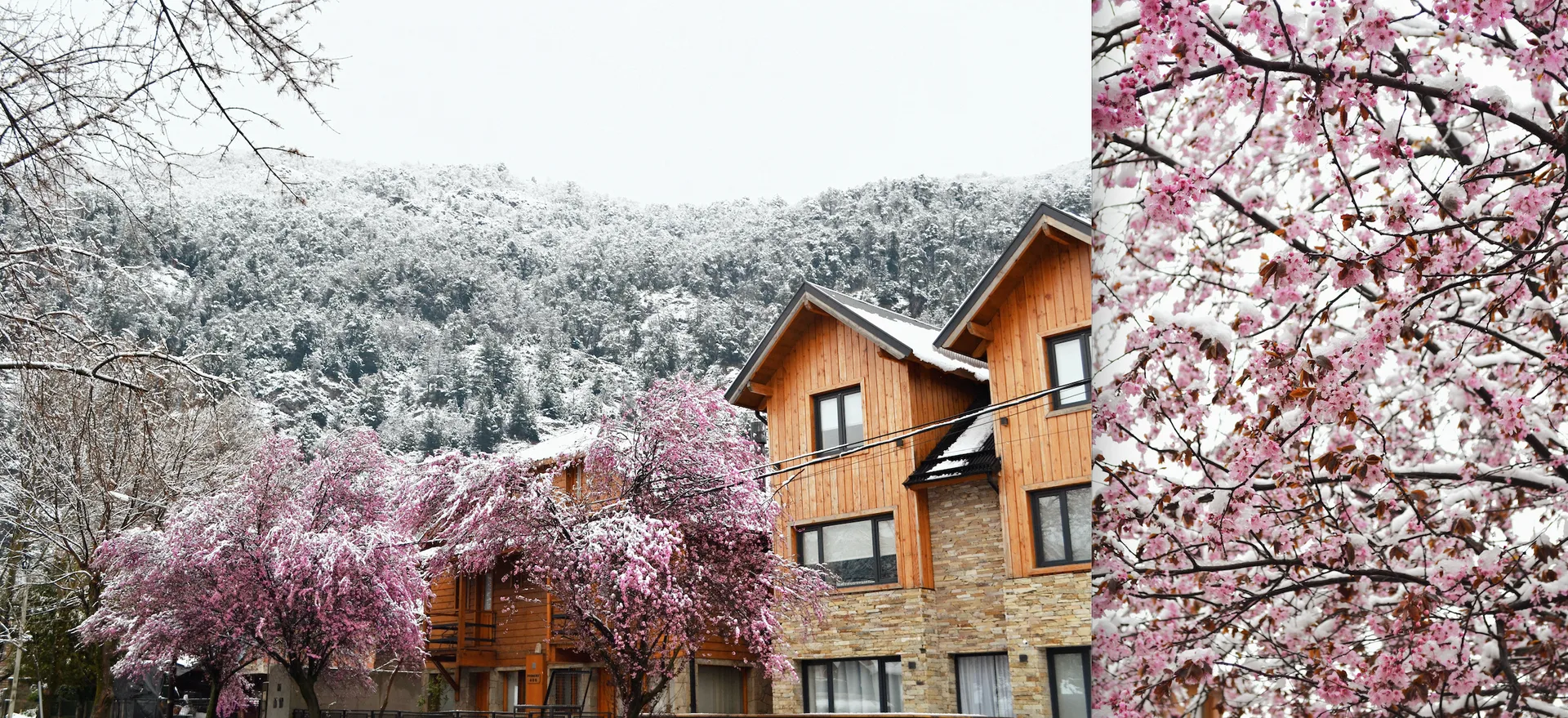
One of the most common mistakes is thinking that when September arrives, all trails are already in summer conditions. In Patagonia, it doesn't necessarily work that way.
During the first months of spring, there can still be snow and ice in higher altitude sectors, while in lower areas trails may be wet or muddy due to snowmelt and rain. As spring progresses, conditions change, but not all places evolve at the same pace.
That's why, rather than just thinking about the month of your trip, it's important to consider the specific trail, its altitude, and current conditions.
⪢ The climate can change rapidly
Spring can offer sunny and pleasant days, but also sudden temperature changes, wind, rain, or snow, especially in mountain areas.
That's why, for trekking at this time, it's important to dress in layers and carry adequate protection for different conditions.
A base layer, an insulating layer, and a waterproof, windproof jacket allow you to adapt much better to temperature changes.
It's also important to bring sun protection. Even if the day isn't particularly warm, exposure can be significant, especially in areas where snow still remains.
⪢ Trail conditions can change the experience
In spring, the same route can present very different conditions from one week to the next.
A trail that is relatively dry in summer can be found with mud, residual snow, or wet sections during spring. This can change both the time needed to complete the route and its difficulty.
That's why, before choosing a hike, it's worth checking the current state of the trail and weather conditions, and not relying solely on information from previous seasons.
In protected areas, it's also important to verify which trails are open and what the current recommendations are.
⪢ Choose your trek based on conditions, not just on distance
Two routes with the same number of kilometers can have very different difficulty levels.
The elevation gain, the type of terrain, the presence of snow or mud, the altitude, and weather conditions can significantly change the required effort.
That's why, choosing a trek should take into account your experience, your fitness level, and the real conditions of the route.
And here, local knowledge can be especially valuable. A guide who knows the area can assess current conditions and recommend a route that makes sense for that day, rather than simply following a pre-planned itinerary.
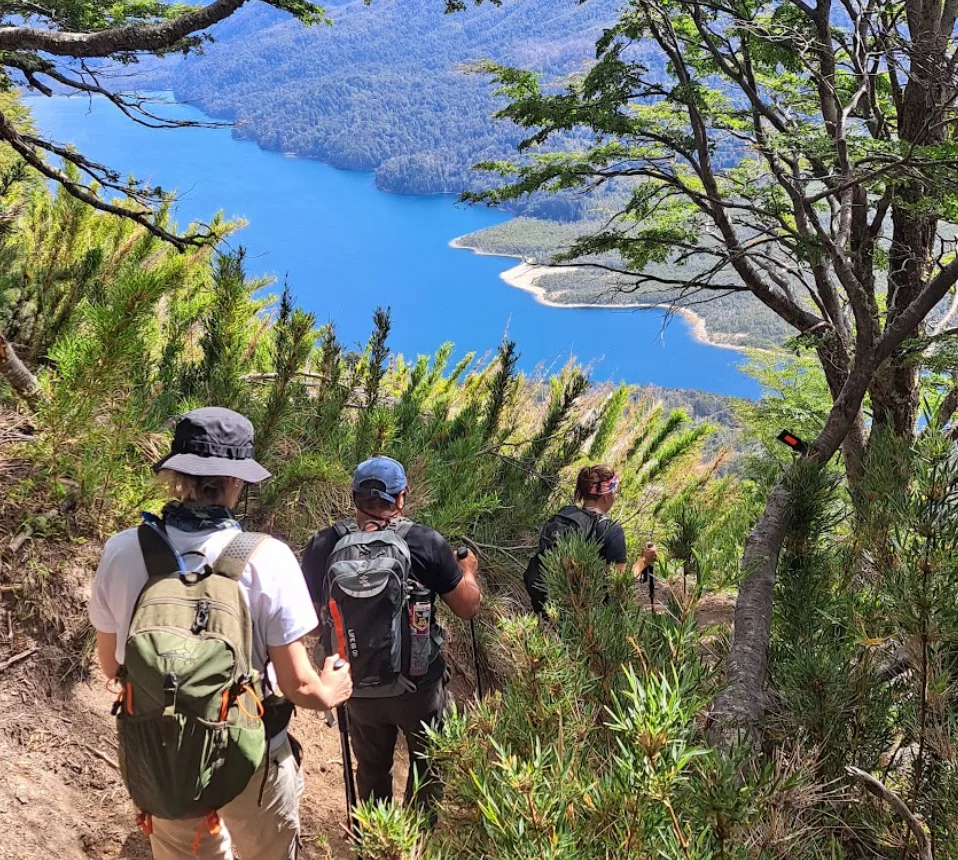
⪢ Why trek with a local guide?
Trekking with a guide doesn't just mean walking with someone who knows the way.
A local guide can help you choose a better experience, adapt the route to the day's conditions, and discover places you might not find searching on your own.
Plus, knowledge of the territory allows you to notice details that often go unnoticed: the geography, the forests, wildlife, the area's history, or the relationship between landscape and weather conditions.
And there's another important aspect: not all interesting places are necessarily the most accessible or the most well-known.
Having professionals who know different routes in the region allows you to get off the beaten path and discover other Patagonian landscapes.
⪢ Spring can also be a good time to discover lesser-known places
Spring has a particularity: conditions aren't quite those of summer yet, and some routes may require more planning.
But that also opens other possibilities. Instead of just seeking the most famous trails, a local guide can help you find alternatives based on conditions, group level, and the type of landscape you want to discover.
This means the experience isn't just "covering X kilometers", but discovering a place in a more complete way.
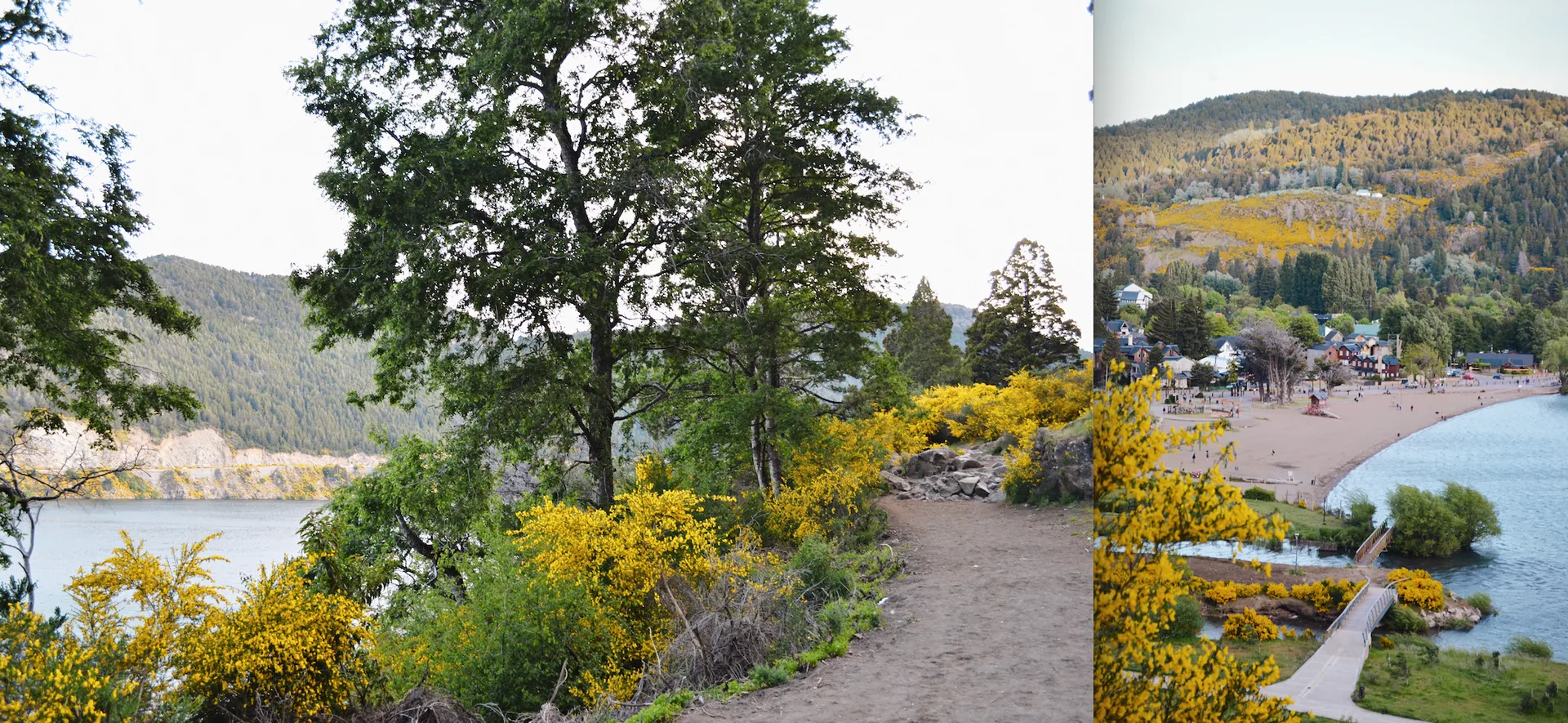
⪢ What to bring for spring trekking?
You don't need a huge backpack, but you should be prepared for variable conditions.
Warm clothing, a waterproof and windproof layer, appropriate footwear, a hat, water, and sun protection are some of the basic elements.
Specific equipment will depend on the duration, difficulty, and characteristics of the route.
If you're doing a guided experience, it's also important to check beforehand what equipment is included and what you need to bring personally.
⪢ Footwear matters, a lot
The state of the terrain is one of the aspects that can change the most during spring.
Trails can have mud, wet sections, slippery rocks, or residual snow. That's why, good trekking footwear with a quality sole and water protection can make a big difference.
Don't choose your footwear thinking only about temperature. Also think about the terrain you'll encounter.
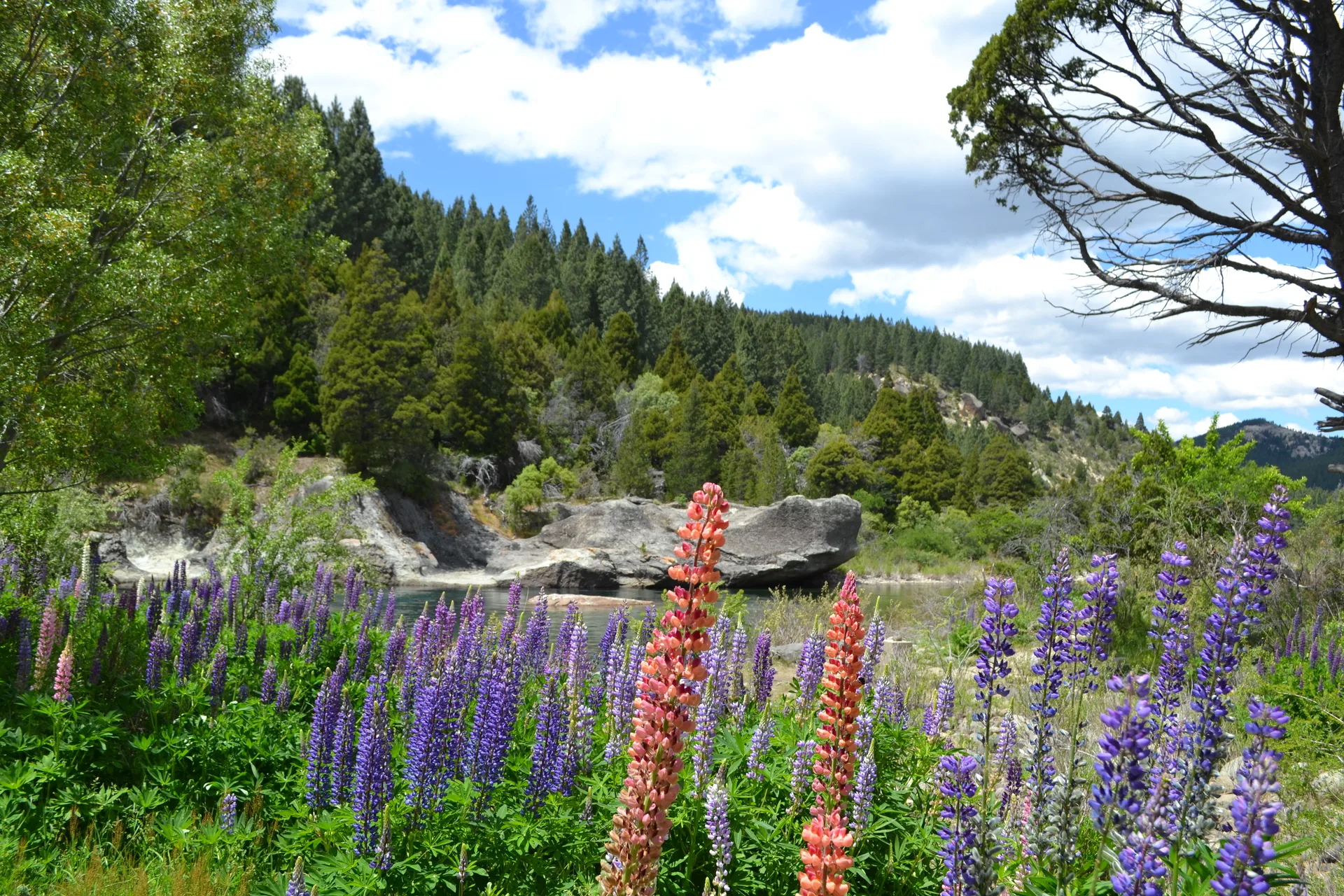
⪢ Don't forget about daylight hours
As spring progresses, days become progressively longer. However, this doesn't mean any route can be started at any time.
The duration of an activity should account for hiking time, breaks, and a sufficient margin for possible weather changes.
When you do a guided experience, route planning takes these factors into account and allows you to make better use of available time, especially when you're traveling for just a few days.
⪢ A guided experience is much more than following a trail
When you travel to Patagonia from somewhere else in the world, you probably have few days to experience it.
A guided trek can allow you to make the most of that time: visit places selected according to the season, hike with more peace of mind, learn about the territory, and discover corners you might not find on your own.
The experience can also adapt better to current conditions. If the weather or trail conditions change, having alternatives and local knowledge allows for better decision-making.
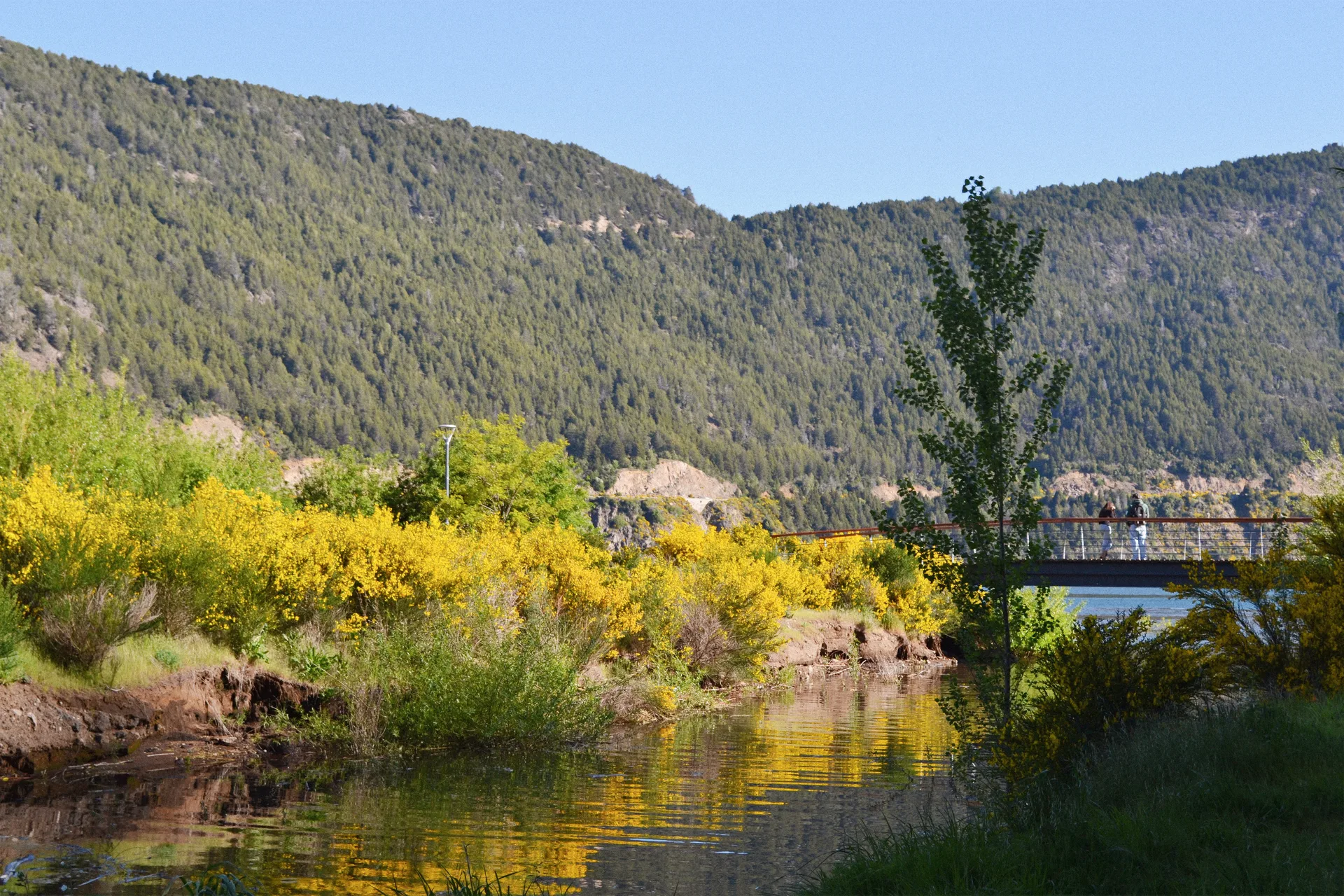
⪢ Respect the environment
Patagonia is a natural territory of enormous value, and many of its trekking areas are part of national parks and other protected areas.
During activities, it's fundamental to respect the marked trails, follow the guidelines of authorities, and take all waste with you.
When you explore these places accompanied by local professionals, you also have the opportunity to better understand the environment's characteristics and understand why it's important to protect it.
⪢ Why trek in spring in Patagonia?
Spring has something special.
It's a time when Patagonia still retains part of its winter character in the mountains, while forests and valleys slowly begin to transform.
Conditions can be more variable than during summer, but that's exactly part of the experience.
With good planning, the right equipment, and a route chosen according to current conditions, spring can be an excellent time to discover Patagonia.
And doing it accompanied by people who know the territory allows you to go a step further: choose better where to walk, discover lesser-known places, and understand the landscape you're exploring.
⪢ Spring trekking with AONA
If you're planning a trip to San Martín de los Andes during spring and want to discover Patagonia on foot, at AONA we can help you find an experience tailored to your trip and your level.
We work with trekking experiences in Patagonia, combining activity, nature, and local knowledge of the territory.
Discover our trekking experiences in Patagonia.