September 29, 2026
What to Pack for Hiking in Patagonia.
What to pack for hiking in Patagonia: layering systems, footwear, daypacks, water, sun protection, and the right gear for different types of hikes.
The most important rule: be prepared for change
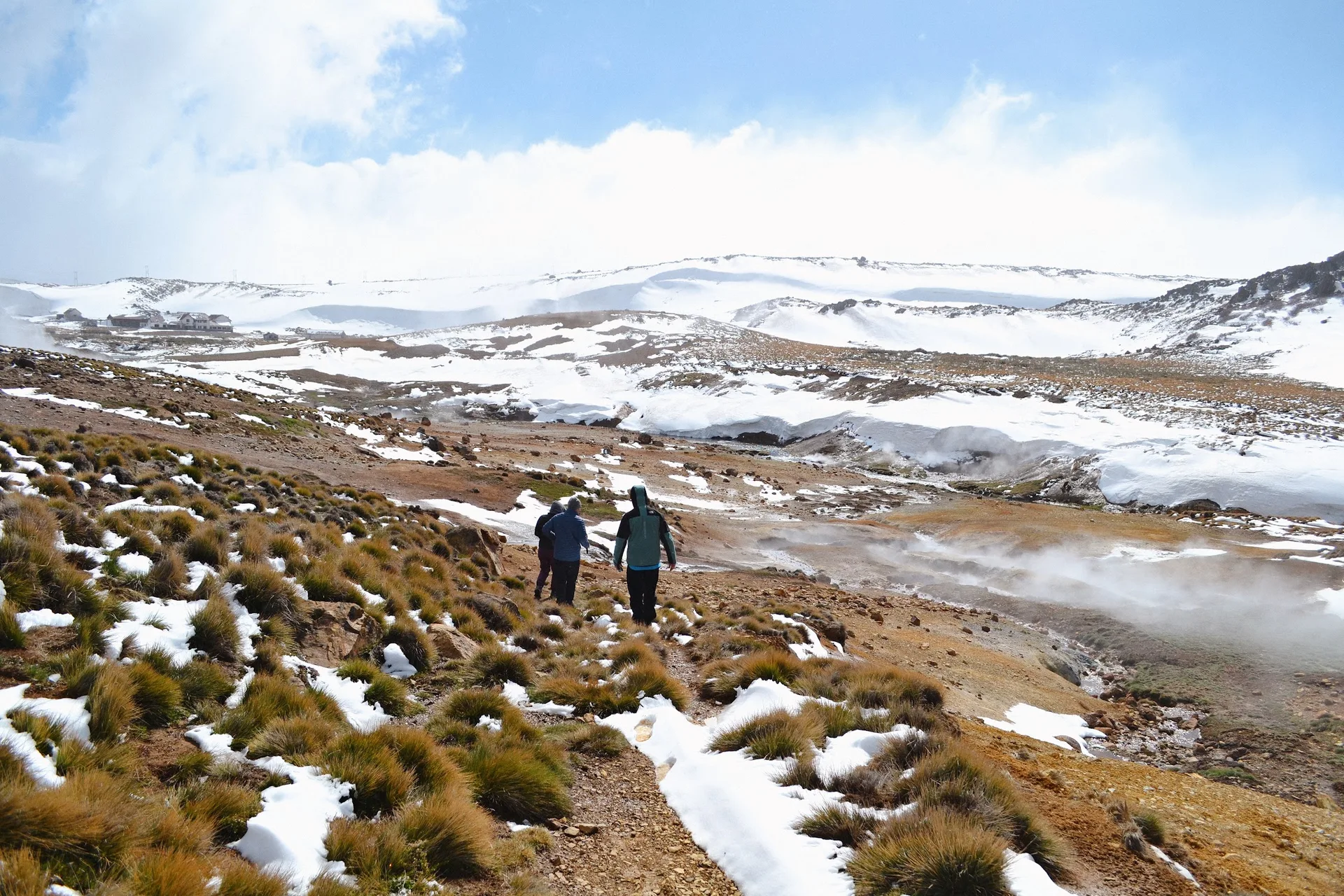
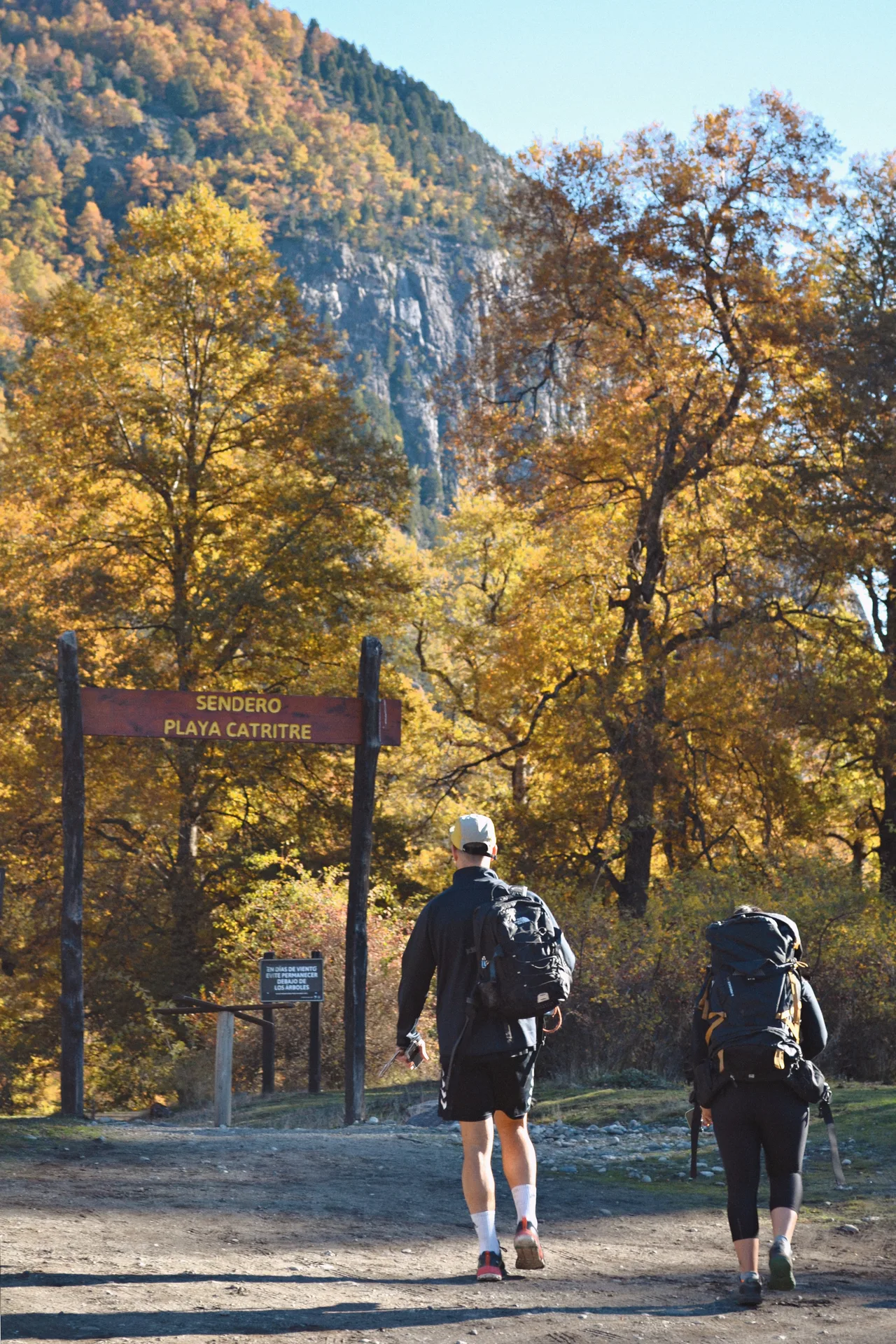
In Patagonia, conditions can change quickly, especially in the mountains. You can start a hike in sunshine and pleasant temperatures, only to find yourself facing strong winds, rain, or much colder temperatures a few hours later. That’s why, rather than dressing solely for the temperature when you set out, it’s better to be prepared for different conditions throughout the hike.
The key is to wear several layers that you can add or remove as needed.
Dressing in layers
The layering system allows you to regulate your body temperature without having to carry heavy clothing.
- A base layer helps keep your body dry and comfortable during the activity.
- A mid layer provides warmth when temperatures drop.
- An outer layer protects you from wind and rain.
Not all your clothing needs to be specifically designed for the mountains. For easier hikes, many of the sports clothes you already own may work perfectly well. The important thing is to be able to adapt to changing conditions without getting too cold, too hot, or wet.
Which jacket should you bring?
A good waterproof and windproof jacket can be one of the most useful pieces of clothing for hiking in Patagonia. Even when the forecast looks good, wind and rain can arrive quickly, particularly in exposed areas. There’s no need to bring several different jackets. For a day hike, a good outer layer that protects you from wind and rain is usually much more practical. If you’re travelling during a colder season, you can combine it with a thermal or insulating layer underneath.
Footwear is essential
If there’s one thing worth paying attention to, it’s your footwear. Not all trails have the same type of terrain. Depending on the season and location, you may encounter dirt, rocks, roots, mud, wet sections, or leftover snow. For a hike, choose footwear that is comfortable, has good grip, and is suited to the terrain you’ll be walking on. You don’t necessarily need heavy, high-cut hiking boots. For some routes, a good pair of low-cut hiking shoes may be more than enough. Most importantly, make sure you’ve worn them before. Breaking in new footwear on a long hike is a very good way to end up with blisters.
What should you pack in your backpack?
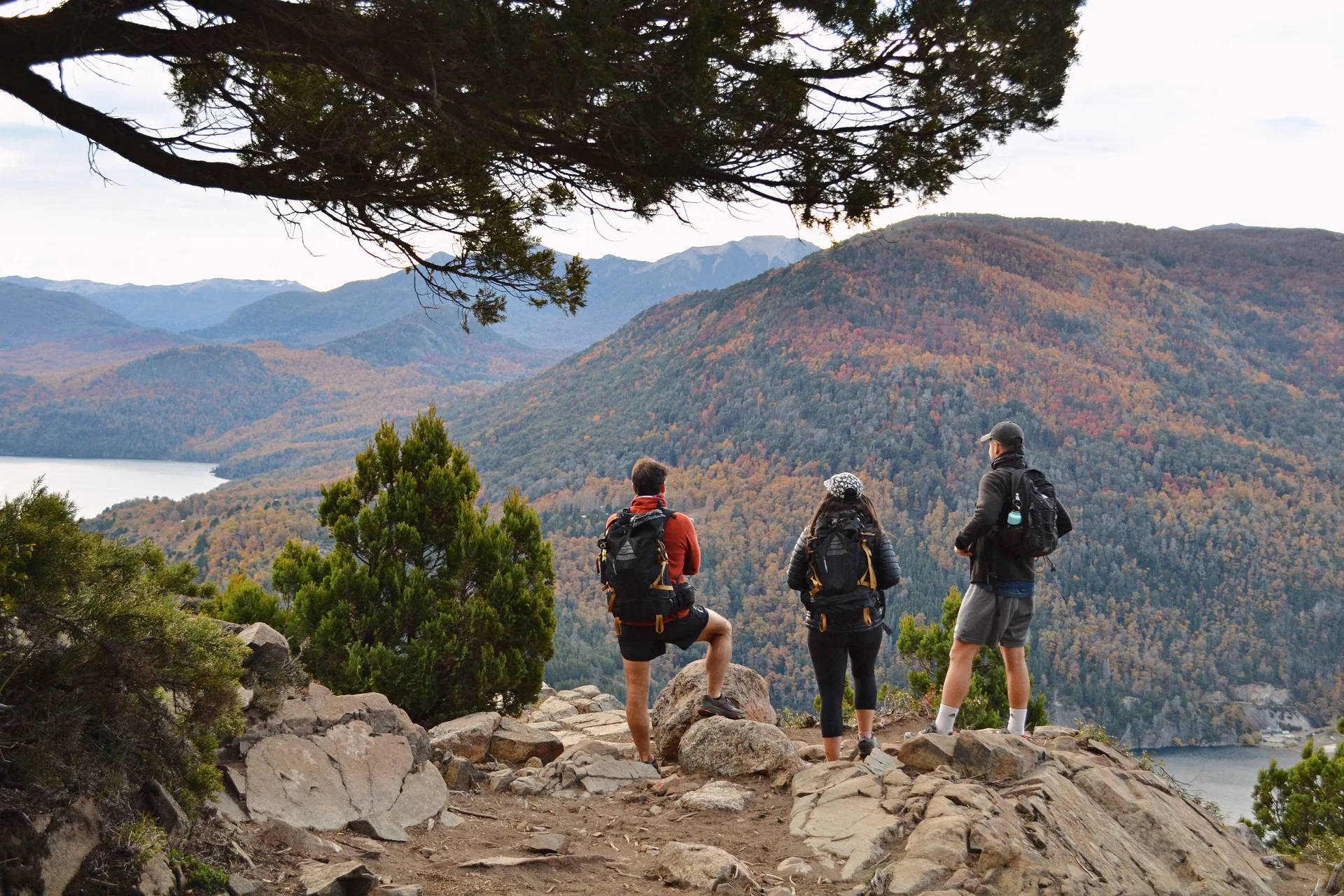
For most day hikes, a small or medium-sized backpack is enough.
The idea isn’t to fill it with things “just in case”, but to bring what you may actually need during the activity. Water, something to eat, an extra warm layer, rain protection, sun protection, and a few personal items are generally the basics. The exact contents will always depend on the duration, difficulty, and characteristics of the route.
Water: don’t underestimate how much you’ll need
Hiking in the mountains can require more water than you might expect, even when temperatures aren’t particularly high. The amount you need will depend on the duration of the activity, the weather, the physical effort involved, and whether there are opportunities to access water along the route. Before setting out, it’s therefore important to know whether there are places to refill your water or whether you need to carry everything from the start. Don’t assume that a stream or lake automatically means the water is safe to drink.
Bringing something to eat is important too
Even if the hike isn’t particularly long, walking for several hours requires energy.
Fruit, nuts, cereal bars, sandwiches, or other easy-to-carry foods can be good options for a day hike. You don’t need to carry a full meal in a small backpack, but it’s always useful to have something with you to refuel during the hike. And as always, whatever comes into your backpack leaves with you. Don’t leave any waste on the trail.
Protect yourself from the sun, even when it’s cold
Cold weather can make us forget about the sun, but exposure is still important. Bring sunscreen, sunglasses, and, depending on the conditions, a cap or hat. In areas where snow is still present, exposure can be particularly intense because of the reflection from the snow.
Do I need hiking poles?
It depends on the route and your personal preferences. Hiking poles can be useful on trails with significant elevation gain, uneven terrain, or during longer hikes. They can also help reduce some of the strain on your legs and provide additional stability. But they aren’t essential for every hike. If you’ve never used them before, there’s no need to buy a pair specifically for an easy hike. The important thing is to consider the actual characteristics of the route.
Do I need a GPS or navigation system?
For simple, well-marked routes, you probably won’t need specialised navigation equipment. However, it’s always a good idea to know where you are, which route you’re going to take, and what its characteristics are before setting out. Your phone can be useful, but it’s best not to rely on it entirely. In some mountain areas, mobile coverage can be limited or completely unavailable. We recommend downloading offline maps. If you’re planning to hike independently, make sure you check the trail, current conditions, and recommendations for the relevant protected area beforehand. When joining a guided experience, much of this preparation is already part of the team’s work before the activity begins.
Don’t pack things you won’t use
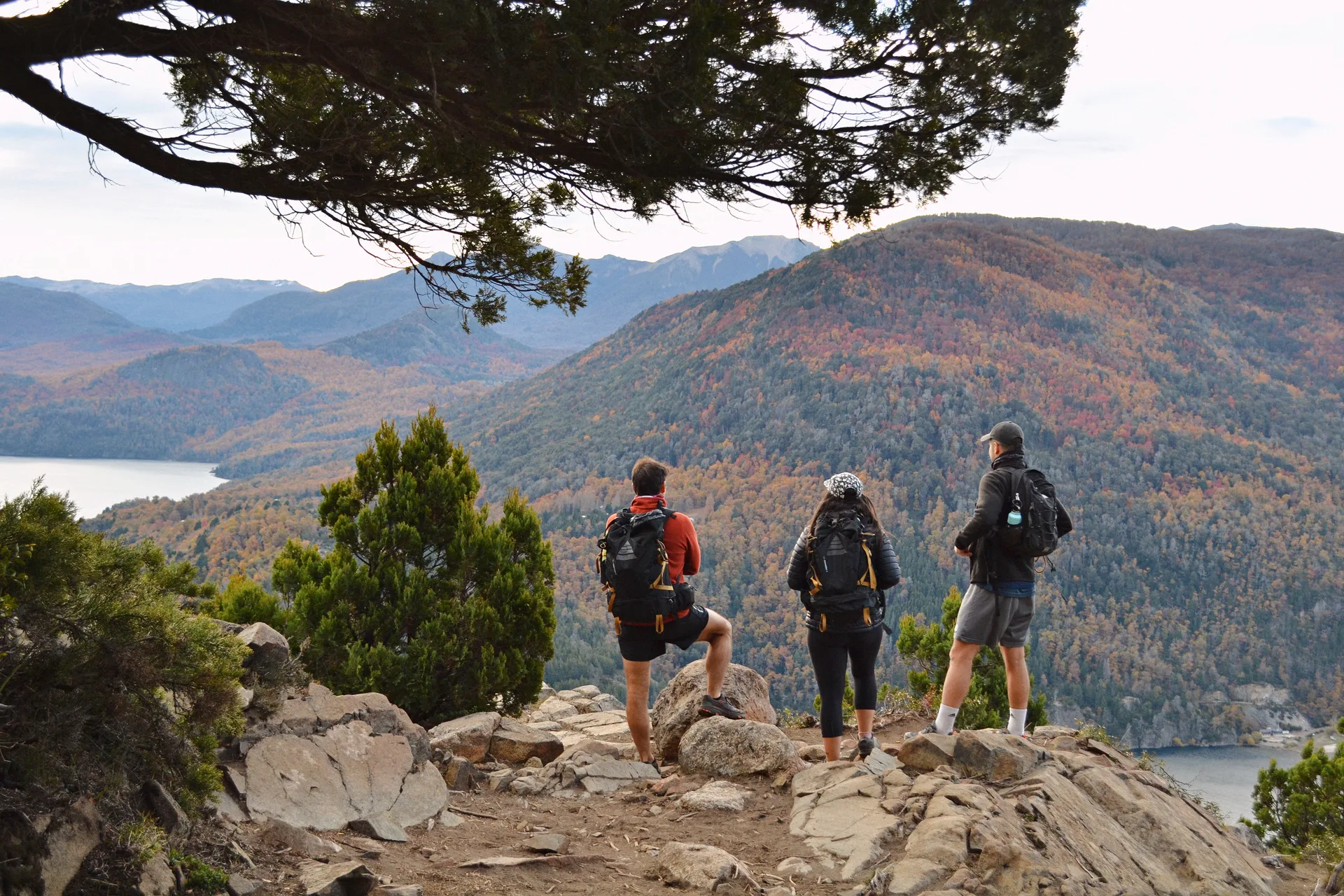
When preparing a backpack for the mountains, it’s easy to fall into the “just in case” trap. An extra jacket. Another pair of socks. A huge flashlight. Gear you may never actually use. The problem is that everything you add also increases the weight you’ll be carrying for several hours. A good hiking backpack isn’t the one with the most stuff in it, but the one that contains what you actually need for the activity you’re doing.
What changes depending on the season?
The equipment you need can vary considerably depending on when you travel. In summer, temperatures are generally more pleasant, but the sun can be intense and mountain weather can still be unpredictable. In spring and autumn, conditions can be more changeable, and there may still be snow at higher elevations. In winter, many routes require specific equipment and experience, and not all trails are accessible under the same conditions. That’s why there is no single perfect backpack for hiking in Patagonia. Your gear should be adapted to the location, the season, and the route.
What changes depending on the difficulty of the hike?
Distance alone doesn’t determine how much gear you’ll need. A short hike with a lot of elevation gain can be more demanding than a much longer route with little climbing. The type of terrain, altitude, exposure to wind, the possibility of encountering snow, and the total duration of the activity are also important factors. Before packing your backpack, it’s therefore useful to know what kind of route you’ll be hiking and what conditions you may encounter.
If you’re travelling from abroad, you don’t need to bring everything
This is one of the most common questions among travellers visiting Patagonia from abroad. If you’re planning to do a few hikes during your holiday, it probably doesn’t make sense to travel with a full technical mountain kit. For many hikes, suitable activewear, good footwear, a comfortable backpack, and protection from the weather will be enough.
For more technical activities, the equipment you need will be different. In those cases, it’s best to find out in advance what gear is required and what may be available locally.
The value of local knowledge
Gear is important, but it’s not the only thing that makes a great hiking experience.
Knowing the terrain means being able to better understand current conditions, choose suitable routes, and anticipate changes that may not be obvious to someone visiting the region for the first time. In Patagonia, where weather, terrain, and mountain conditions can vary considerably from one place to another, that local knowledge can be particularly valuable. Hiking with a guide isn’t simply about having someone who knows the way. It also means having someone who knows the area and can help you make better decisions throughout the experience.
So, what should you actually pack?
For a typical day hike, start with the essentials: water, something to eat, suitable footwear, layers of clothing, a waterproof and windproof outer layer, sun protection, and any personal items you may need. Then adapt the rest of your gear to the specific route, the season, and the expected conditions. You don’t need a backpack full of technical gear to enjoy Patagonia. You simply need to be prepared for the conditions and terrain you’ll encounter.
Get ready for your next hike in Patagonia
If you’re planning a trip to San Martín de los Andes and want to discover Patagonia on foot, AONA can help you choose an experience that suits your trip and your level of experience. Our experiences combine hiking, nature, and genuine local knowledge, allowing you to enjoy the landscape without having to plan every detail of the route yourself.