August 25, 2026
Argentina and Patagonia: what you need to know before traveling.
Traveling to Argentina and Patagonia? Discover what you need to know about visas, currency, insurance, transport, climate and travel tips before you go.
A simple guide with what you need to know before traveling:
If you're planning a trip to Argentina and want to explore Patagonia, you probably have some questions before booking flights: Do I need a visa? What currency is used? Can I pay with a card? Do I need travel insurance? How do I get around Patagonia?
Argentina is a huge country and traveling through Patagonia has some particularities worth knowing about before planning your itinerary.
In this guide we've gathered the most important points to prepare your trip.
Updated information: August 2026. Migration requirements and other conditions can change. Always verify official information before traveling.
⪢ Do I need a visa to travel to Argentina?
It depends on your nationality.
Many travelers can enter Argentina as tourists without requesting a visa beforehand, but requirements vary depending on your country of citizenship.
In general, tourist stays can be up to 90 days, although conditions may vary by nationality.
If your country requires a visa, the process must be done through an Argentine consular office.
Before traveling, check the specific requirements for your nationality with the National Migration Authority and, if applicable, the Argentine Foreign Ministry.
National Migration Authority: https://www.argentina.gob.ar/tema/extranjeros
Argentine Foreign Ministry – Visas: https://cancilleria.gob.ar/es/servicios/visas/visa-para-turismo
⪢ What documents should I bring?
In addition to your travel document, we recommend having these readily available:
Passport or valid ID.
Digital copy of your passport.
Accommodation and flight reservations.
Travel insurance.
Emergency contact information.
Don't store all your documents only on your phone: having offline copies available can be very useful during a trip.
⪢ Do I need travel insurance?
Yes, and for an adventure trip it's especially important.
Argentine regulations currently establish that foreigners requesting entry to the country must declare that they have health insurance under the conditions set by current regulations.
Additionally, if you plan to do activities like trekking, skiing, mountain biking, kayaking or mountaineering, verify that your insurance specifically covers these types of activities.
Not all travel insurance includes sports or mountain activities.
⪢ What currency is used in Argentina?
The official currency is the Argentine peso (ARS).
In cities and tourist destinations, international cards are widely accepted, but we don't recommend traveling relying exclusively on a card.
The most practical approach is to combine:
● International credit or debit card.
● A backup card.
● Some cash.
● Access to your bank account.
In small towns and rural areas of Patagonia there may be fewer options for withdrawing money or paying with cards, so it's good to plan for cash before heading to remote areas.
Tip: check with your bank about your card usage conditions in Argentina before you travel.
⪢ How do I get around Patagonia?
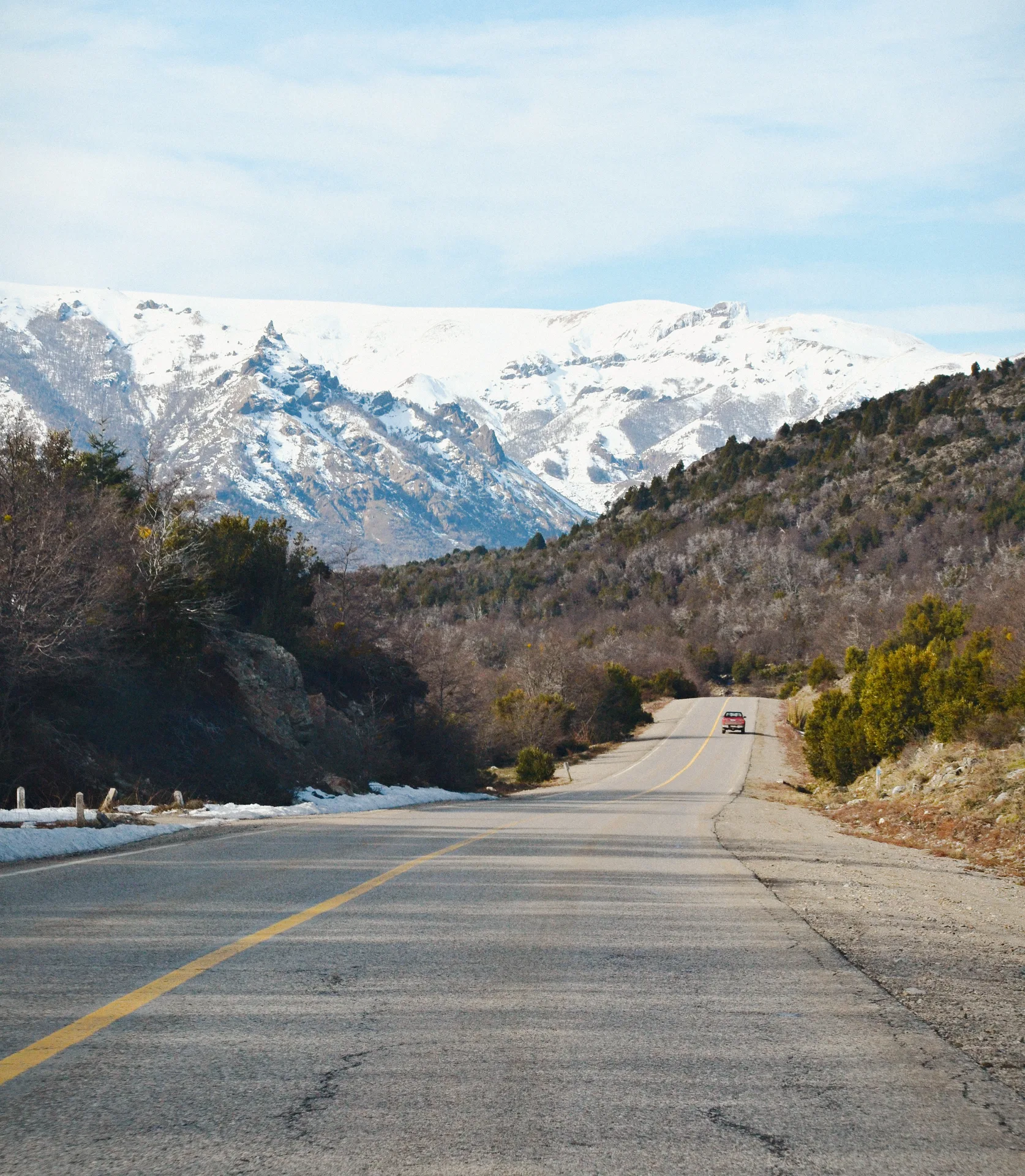
This is one of the most important things to understand before planning your trip: Patagonia is huge.
The distances between destinations can be much greater than they appear on a map.
You can combine:
● Flights.
● Long-distance buses.
● Car rental.
● Transfers and excursions.
If you have few days, don't try to visit too many places. Choosing one area and exploring it well is usually much more enjoyable than spending much of your trip traveling between locations.
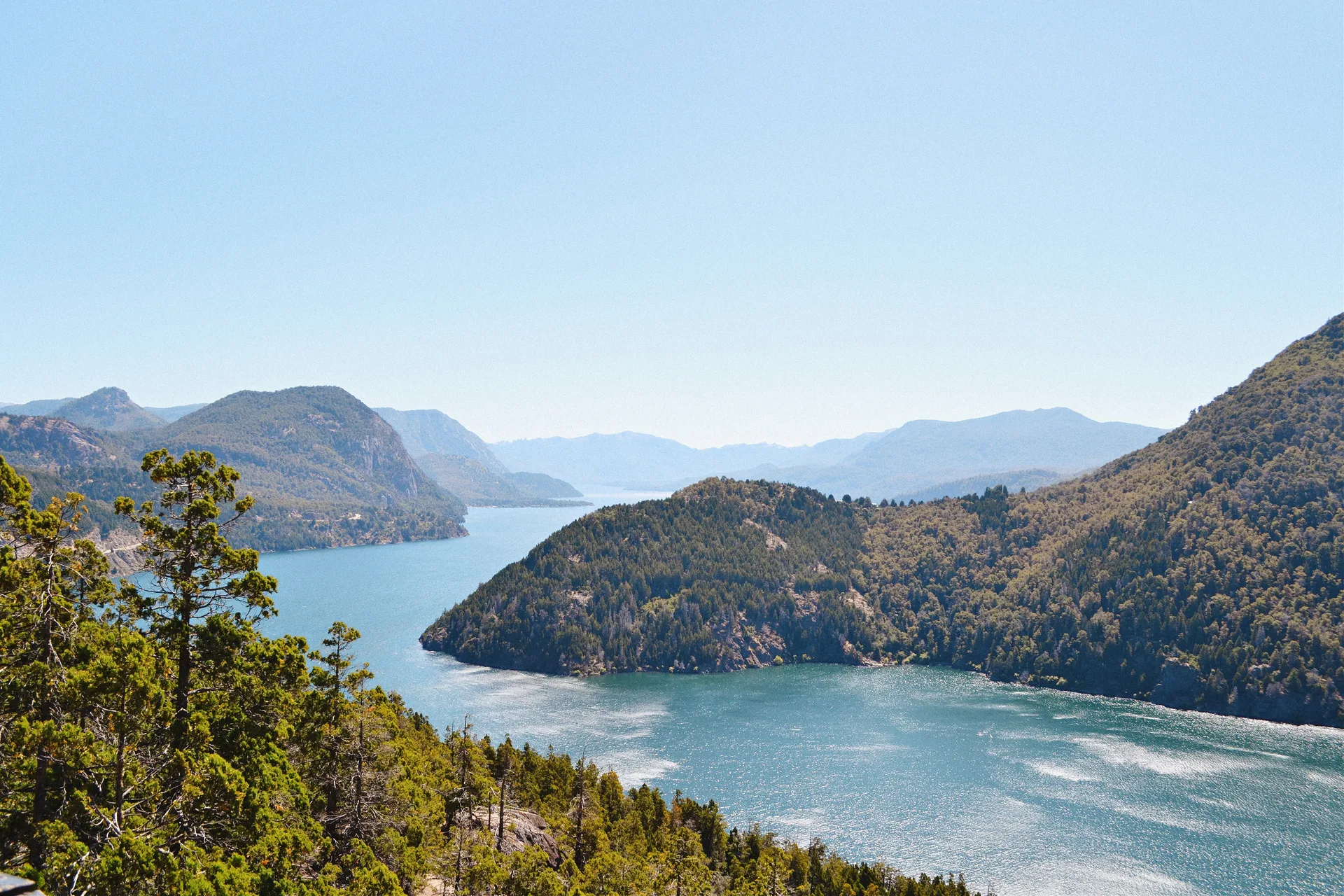
San Martín de los Andes, for example, is an excellent base for renting a car and discovering the Andean Patagonia and combining lakes, volcanoes, mountains and various outdoor activities.
⪢ When should I travel to Patagonia?
It depends on what you want to do.
● Summer — December to March
One of the best seasons for trekking, trail running, kayaking, mountain biking and mountaineering.
● Autumn — March to June
Forest landscapes, autumn colors and, in some destinations, fewer tourists.
● Winter — June to September
Snow season: skiing, snowboarding, ski touring and snowshoeing.
● Spring — September to December
Transition period, with variable conditions depending on the destination and activity.
There is no single "best time" for Patagonia: it depends on the trip you want to make.
⪢ Some things worth knowing before you travel
Connectivity can be limited: In some areas of Patagonia there is no cell signal. Don't rely exclusively on the Internet to navigate or access important information.
Distances matter: Don't calculate travel times by kilometers alone. Road conditions, weather and transport frequency can affect travel times.
Weather can change quickly: This is especially important for mountain activities. Check conditions before heading out and follow the guidelines of parks and authorized guides.
Respect natural areas: Patagonia is home to numerous national parks and fragile ecosystems. Always stay on trails and follow local guidance and avoid leaving waste.
⪢ Are you traveling to Patagonia for outdoor activities?
If your trip includes trekking, trail running, kayaking, mountain biking, skiing or mountaineering, it's worth planning activities in advance.
The actual difficulty doesn't depend only on kilometers: elevation gain, terrain, weather and your experience also matter.
And if you don't know the area, doing it with authorized, professional guides who know the territory can make a big difference.
At AONA we organize outdoor experiences in Patagonia from San Martín de los Andes, combining adventure activities with local knowledge of the region.
Discover our Patagonia experiences.
⪢ Patagonia begins before you arrive
A good trip through Patagonia is not just about choosing which places to visit.
It also means understanding the distances, choosing the right season, preparing your gear and allowing some margin for the weather.
The better prepared you arrive, the more time you'll have to enjoy Patagonia.
And if you're still starting to plan your trip, you can keep exploring our proposals in Bariloche and San Martín de los Andes.